
You’re looking to transform your house into a home, or perhaps just fix that nagging leak. Round Rock, Texas, a city known for its growth and community spirit, offers a robust market for home repair and remodeling services. Navigating this landscape can feel like charting unknown waters, but with the right approach, you can find the service providers who will help you build your vision. This article aims to equip you with the knowledge to make informed decisions when seeking the best home repair and remodeling expertise in Round Rock.
Before you even begin researching contractors, the most critical step is to thoroughly understand your own needs and project scope. This initial introspection is the bedrock upon which all successful remodeling and repair projects are built. Without a clear understanding of what you want, you risk miscommunication, budget overruns, and ultimately, a project that doesn’t meet your expectations. Think of it as drawing a blueprint before you start digging foundations.
Defining Your Project’s Scope
Your project could be a minor fix or a grand-scale renovation. Each requires a different level of expertise and planning.
Minor Repairs: Addressing the Small Annoyances
Are you dealing with a leaky faucet, a creaky door, peeling paint, or a broken windowpane? These are often the tasks that get deferred, but left unattended, they can become larger, more costly problems down the line. The “stitch in time saves nine” adage holds true here. For these smaller jobs, you’ll be looking for a handyman service or a specialized tradesperson. The scope is typically well-defined and can often be completed within a day or two. Gathering detailed descriptions of the issue, including photos if possible, will be essential.
Major Renovations: A Comprehensive Overhaul
This involves significant changes to the structure, layout, or functionality of your home. Examples include kitchen or bathroom remodels, adding extensions, finishing basements, or undertaking a full-scale gut renovation. These projects require substantial planning, design, and execution. You’ll be working with contractors who can manage multiple trades and a larger budget. The scope here is complex, involving architectural plans, permits, and a longer timeline.
Establishing Your Budget: The Financial Compass
Your budget acts as your financial compass throughout the entire process. It dictates the scale of your project, the materials you can afford, and the caliber of contractors you can engage. It’s crucial to be realistic and to account for all potential expenses.
Realistic Budget Allocation
Don’t just choose a round number. Break down potential costs.
Material Costs: The Building Blocks
This includes everything from lumber and drywall to countertops and fixtures. The quality of materials directly impacts both the aesthetic and longevity of your project, as well as its cost. Researching material prices beforehand will give you a more accurate picture.
Labor Costs: The Skill and Effort
This is often the largest component of your budget. It covers the wages of your contractors, their teams, and any subcontractors involved. Get detailed quotes that break down labor hours and rates.
Contingency Fund: The Safety Net
It is highly recommended to set aside an additional 10-20% of your total budget for unforeseen circumstances. This contingency fund is your safety net, preventing minor surprises from derailing your entire financial plan.
Identifying Your Style and Vision: The Aesthetic Blueprint
Beyond the functional aspects, your home should reflect your personal style and preferences.
Gathering Inspiration: Mood Boards and Portfolios
Before you talk to anyone, immerse yourself in inspiration. Create mood boards on platforms like Pinterest or Houzz, save magazine clippings, and browse online portfolios of designers and architects. This visual collection will be your guide, helping you articulate your desired aesthetic.
Communicating Your Vision: Clarity is Key
The ability of a contractor to understand and execute your vision is paramount.
Detailed Project Briefs: Leaving No Room for Ambiguity
Prepare a detailed brief that outlines your preferences, including your preferred color palettes, materials, layouts, and desired functionality. The more specific you are, the better the contractor can grasp your expectations.
Visual Aids: Pictures Speak Louder Than Words
Supplement your brief with your inspiration photos. These visual aids are invaluable in bridging the gap between your abstract ideas and the contractor’s concrete execution.
If you’re looking for insights on sustainable practices in home improvement, you might find the article on renewable and recyclable materials particularly useful. It offers valuable tips on how to incorporate eco-friendly options into your remodeling projects. For more information, check out this related article on sustainable materials in home improvement: Renew, Reuse, Recycle: Sustainable Materials in Home Improvement. This can complement your search for the best home repair and remodeling services in Round Rock, Texas, ensuring that your projects are both stylish and environmentally responsible.
Finding Reputable Contractors: Navigating the Local Landscape
With your needs clearly defined, the next step is to identify potential contractors in Round Rock. This is where diligent research and due diligence are crucial. Think of this as sifting through a field of seeds to find the ones that will grow into strong, reliable plants.
Local Search Strategies: Tapping into Round Rock’s Resources
Round Rock has a thriving community of service providers.
Online Directories and Review Platforms: The Digital Rolodex
Websites like Yelp, Google Reviews, Angi (formerly Angie’s List), and HomeAdvisor offer a wealth of information and client feedback. Pay attention to the recency and volume of reviews, as well as specific comments about communication, quality of work, and adherence to budget.
Local Referrals: The Power of Word-of-Mouth
Ask friends, family, neighbors, and colleagues in Round Rock for recommendations. Personal experiences often provide the most trustworthy insights into a contractor’s performance. Trustworthy referrals are like well-established roots.
Professional Associations and Certifications: Badges of Credibility
Look for contractors who are members of reputable professional organizations or hold relevant certifications. These affiliations often indicate a commitment to industry standards and ongoing professional development.
Vetting Potential Contractors: The Due Diligence Process
Once you have a shortlist, it’s time to put them through their paces.
Checking Licenses and Insurance: The Essential Safeguards
Ensure that any contractor you consider is properly licensed by the State of Texas and has adequate liability insurance. This protects you from potential damages and ensures they are operating legally. A contractor without the proper permits is like a ship sailing without charts.
Reviewing Portfolios and References: Seeing Their Work in Action
Ask to see examples of their past projects, particularly those similar in scope to yours. Contact their references and ask specific questions about their experience, including timelines, budget adherence, problem-solving capabilities, and overall satisfaction.
Assessing Communication and Professionalism: The Human Element
Beyond technical skills, a contractor’s communication style and professionalism are vital. Are they responsive to your inquiries? Do they explain things clearly? Do they treat your home with respect? A good communicator is like a skilled conductor, ensuring all instruments play in harmony.
The Importance of Detailed Quotes and Contracts: Building a Transparent Agreement
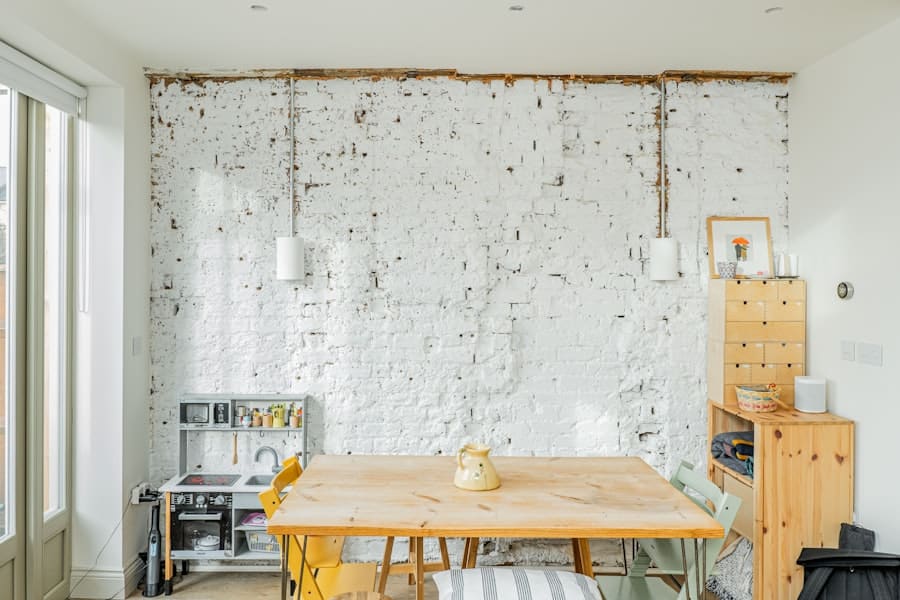
The handshake agreement is a relic of the past. In the world of home repair and remodeling, a comprehensive written agreement is your strongest ally. This document is the contract that binds both parties and ensures clarity.
Requesting Multiple Bids: Establishing a Market Baseline
Never settle for a single bid. Obtaining quotes from at least three different contractors allows you to compare pricing, scope of work, and proposed timelines. This practice helps you identify outliers and establish a realistic understanding of market rates.
Analyzing the Quote: Deconstructing the Numbers
Don’t just look at the bottom line. Scrutinize each line item.
Itemized Breakdown: Understanding Each Cost Component
A good quote will provide a detailed itemization of all costs, including labor, materials, permits, and any potential subcontractors. This transparency is crucial for budget management.
Scope of Work Definition: What Exactly is Included?
Ensure the quote clearly defines the full scope of work, including specific tasks, materials to be used, and any exclusions. Ambiguity here can lead to disputes later.
Payment Schedule: A Phased Approach
Understand the proposed payment schedule. Reputable contractors typically require an initial deposit and then payments tied to project milestones, with a final payment upon satisfactory completion. Avoid contractors who demand excessive upfront payments.
Crafting a Comprehensive Contract: The Binding Document
A well-drafted contract protects both you and the contractor.
Essential Contract Elements: The Pillars of Agreement
Your contract should include:
Full Project Description: A Mirror of the Scope
A detailed description of the project, aligning with the agreed-upon scope of work.
Timelines and Milestones: A Road Map to Completion
Clear start and completion dates, as well as defined milestones for progress.
Payment Terms and Schedule: The Financial Flow
The agreed-upon payment schedule and methods.
Material Specifications: The Building Blocks Detailed
Specific details about the types and brands of materials to be used.
Warranty and Guarantees: Assurance of Quality
Information regarding warranties on labor and materials.
Change Order Process: Managing Revisions
A clear process for managing any changes or additions to the original scope of work.
Dispute Resolution Clause: A Pathway to Resolution
A clause outlining how disputes will be handled.
Project Execution and Communication: Maintaining Momentum and Harmony

Once the contract is signed, the real work begins. Effective communication and diligent oversight are key to ensuring your project stays on track and within budget. This is the phase where the blueprint begins to take tangible form.
Regular Site Visits and Progress Updates: Staying Informed
Don’t be a passive observer. Regular site visits allow you to see the progress firsthand and address any questions or concerns that arise.
Establishing a Communication Cadence: The Rhythm of the Project
Agree on a regular schedule for project updates with your contractor. This could be daily check-ins, weekly meetings, or regular email correspondence. Consistent communication is like a steady beat, keeping the project moving forward.
Documenting Progress: A Visual Record
Take photos or videos of the work as it progresses. This documentation can be invaluable for tracking milestones, identifying potential issues, and serving as a record of the project.
Handling Unforeseen Issues: The Art of Problem-Solving
Even with the best planning, unexpected challenges can arise.
Change Orders: Formalizing Deviations
If changes to the original scope are necessary, ensure they are handled through a formal change order process, detailing the modifications, associated costs, and any impact on the timeline. This prevents scope creep and budget surprises.
Collaborative Problem-Solving: Working Together
Approach challenges collaboratively with your contractor. Open communication and a willingness to find solutions together are essential for navigating unexpected hurdles.
If you’re considering enhancing your living space, exploring the best home repair and remodeling services in Round Rock, Texas can be a great start. Many homeowners are looking for budget-friendly options that allow them to upgrade their homes without overspending. For some insightful tips on how to achieve a stunning makeover while keeping costs manageable, you might find this article on budget-friendly upgrades particularly helpful. It offers practical advice that can complement the services available in your area, ensuring you make informed decisions for your home improvement projects.
The Final Walkthrough and Beyond: Ensuring Satisfaction and Long-Term Value
| Service Provider | Service Type | Customer Rating (out of 5) | Years in Business | Average Project Completion Time (days) | Warranty Offered |
|---|---|---|---|---|---|
| Round Rock Home Experts | General Home Repair & Remodeling | 4.8 | 15 | 14 | 2 years |
| Texas Remodeling Pros | Kitchen & Bathroom Remodeling | 4.7 | 10 | 21 | 3 years |
| Precision Home Repair | Home Repairs & Maintenance | 4.6 | 8 | 7 | 1 year |
| Elite Remodeling Solutions | Full Home Remodeling | 4.9 | 12 | 30 | 5 years |
| Round Rock Renovations | Home Additions & Remodeling | 4.5 | 9 | 25 | 3 years |
The completion of the physical work is not the end of the process. A thorough final walkthrough and attention to post-project matters are crucial for ensuring your satisfaction and the long-term value of your investment. This is the moment you see the fruits of your labor, and the contractor’s skill.
The Final Walkthrough: A Detailed Inspection
Before making your final payment, conduct a thorough walkthrough of the completed project with your contractor.
Checklist Creation: A Systematic Approach
Prepare a detailed checklist of all items to be inspected. This ensures a systematic and comprehensive review.
Addressing Punch List Items: The Finishing Touches
Identify any items that are not completed to your satisfaction or require minor adjustments. These are often referred to as “punch list” items. Ensure that these are addressed promptly by the contractor.
Post-Project Considerations: Sustaining Your Investment
Your relationship with your contractor doesn’t necessarily end with the final payment.
Warranty and Guarantees: The Contractor’s Promise
Understand the scope and duration of any warranties provided on labor and materials. Know how to contact your contractor if any issues arise within this period. A good warranty is a promise etched in stone.
Maintenance and Care: Preserving Your Remodel
Seek guidance from your contractor on any specific maintenance or care instructions for new materials or systems installed. Proper upkeep will ensure the longevity and continued beauty of your renovation.
By approaching your home repair and remodeling needs in Round Rock with a structured and informed mindset, you can confidently navigate the process and ensure you achieve the results you desire. Remember, thorough preparation and clear communication are the cornerstones of a successful project, transforming your house into a beautiful and functional sanctuary.
FAQs
What types of home repair and remodeling services are commonly offered in Round Rock, Texas?
Common services include kitchen and bathroom remodeling, roofing repairs, flooring installation, painting, plumbing, electrical work, and general home maintenance and repairs.
How can I find a reliable home repair and remodeling service in Round Rock?
You can find reliable services by checking online reviews, asking for recommendations from friends or neighbors, verifying licenses and insurance, and requesting detailed quotes and references from contractors.
What should I consider before starting a home remodeling project in Round Rock?
Consider your budget, the scope of the project, the timeline, local building codes and permits, and the reputation and experience of the contractor you plan to hire.
Are there any local regulations or permits required for home remodeling in Round Rock?
Yes, many remodeling projects require permits from the City of Round Rock. It is important to check with the local building department to ensure compliance with zoning laws and building codes.
What is the average cost of home repair and remodeling services in Round Rock, Texas?
Costs vary widely depending on the project size and complexity, but typical remodeling projects can range from a few thousand dollars for minor repairs to tens of thousands for major renovations. Getting multiple quotes helps determine a fair price.