Blog
Home Air Conditioning Repair
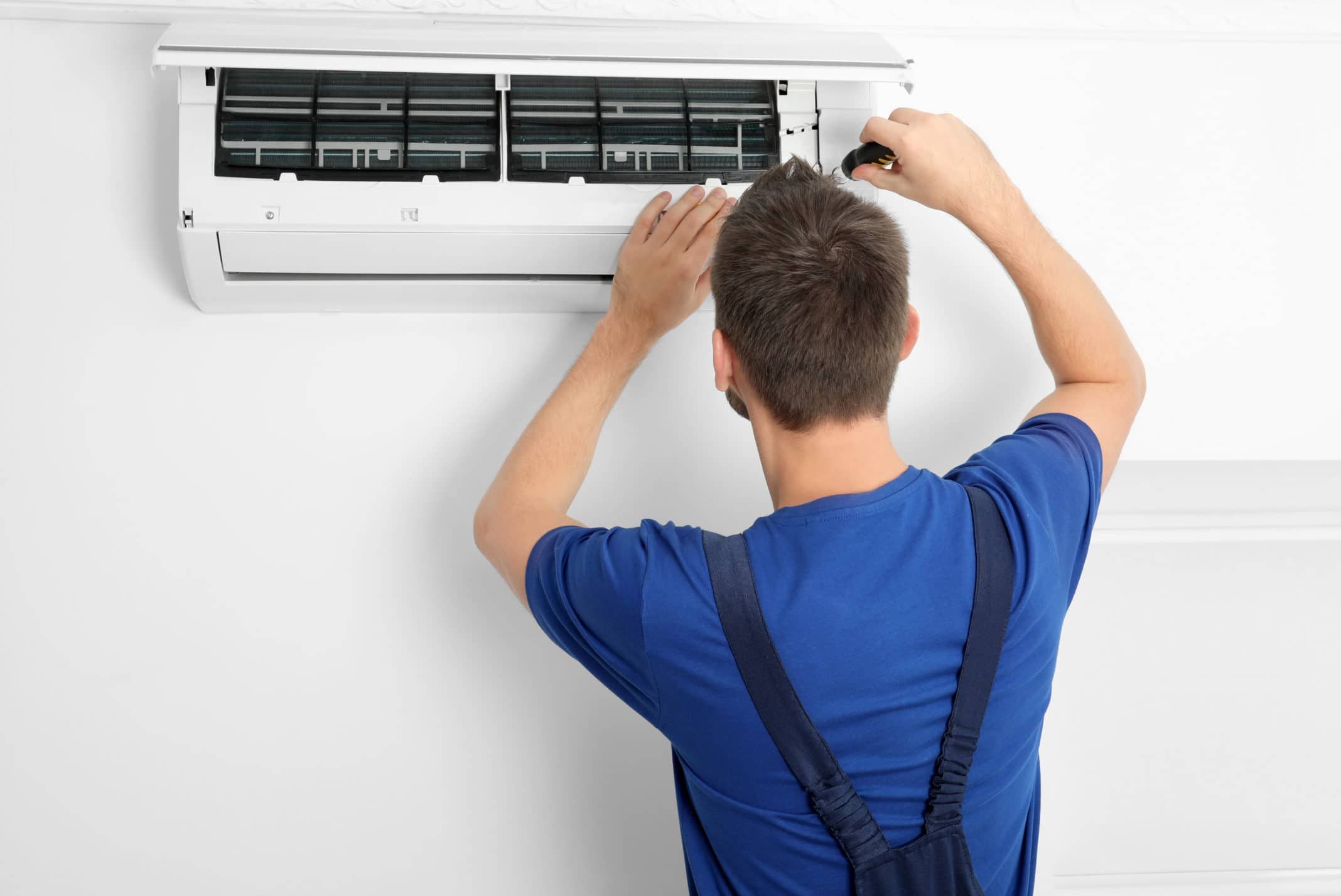
Home Air Conditioning Repair Problems with your home air conditioning unit can be frustrating, especially during the hot summer. Fortunately, many common…
Read ArticlePractical DIY Home Repair
Practical DIY home repair guides covering drywall, plumbing basics, doors, flooring, lighting, maintenance, tools, handyman projects and beginner-friendly home fixes.
Not every home problem needs a big contractor. We help you work out whether you can fix it safely, what tools you need, what could go wrong, and when to stop and call someone.
Problem Navigator
Start with what you notice, not the trade name. Each path shows likely causes, the tools involved and whether it is a DIY job.
Repair Guides
Guides for the small jobs homeowners handle most often, from drywall to decks.
Difficulty Labels
Simple labels help you decide whether a repair matches your skills, tools and time.
Every repair guide shows:
Tool Basics
Start with the basics, add tools when a project needs them and never skip the safety gear.
A small kit that gets used beats a big one that does not. We explain what each tool is for and who actually needs it.
Home Maintenance
The cheapest repair is often the one you prevent.
Explore Home Maintenance Guides
Routine inspection can help reduce water damage, mold, wood rot, energy loss, pest entry and structural deterioration.
Seasonal Checklist
Spread the work across the year so nothing piles up.
Who Should Do It?
The most useful repair skill is knowing which jobs to do yourself, which to hand off and which to leave to a licensed professional.
Small, safe, manageable.
More involved, but not major construction.
Electrical, plumbing, gas and structural work when required.
Read the DIY vs. Handyman Guide
Licensing rules vary by state and city, so check what applies to your project. When in doubt, ask before you start.
Home Repair Safety
Know which hazards call for extra care, special equipment or a professional.
When a task goes past your skills or safety margin, stop and call an appropriate professional. DIY should never mean ignoring risk.
Recommended Products
A short, honest list for the jobs we actually cover. We explain how to choose, then recommend a few.
Explore Recommended Tools & Supplies
Affiliate disclosure. Some links may be affiliate links, which means we may earn a commission at no extra cost to you. We explain what a product is for, who needs it, what features matter and what alternatives exist.
Learn at Your Pace
Simple, practical guides you can keep, print and use at the workbench.
Featured Guide
Simple, practical household repairs and maintenance tasks every homeowner should understand.
Hiring Guide
Before you hire a handyman, ask these eight questions. They also help you compare estimates fairly. Costs vary by repair, labor, materials, location, access and complexity.
Free Checklist
Download our DIY Home Repair & Maintenance Checklist to track walls, doors, windows, plumbing, caulking, lighting, flooring, exterior trim, the deck, seasonal maintenance and the tools you need.
Free Home Repair & Maintenance Checklist
Enter your email to receive the checklist and occasional home repair guides. You may unsubscribe at any time.
You may unsubscribe at any time. Read our Privacy Policy.
FAQ
Short, general answers. Always follow local requirements and manufacturer instructions.
Many homeowners can learn lower-risk tasks such as patching small drywall holes, caulking, changing hardware and basic maintenance.
A handyman may be appropriate when the work is outside your comfort level but does not require a specialized licensed trade.
A basic set usually includes screwdrivers, pliers, an adjustable wrench, a hammer, a level, a tape measure, a utility knife, a drill and basic safety gear.
Compare age, repair cost, replacement cost, expected remaining life and how critical the item is.
Rules and risks vary. Basic homeowner tasks may be permitted in some areas, while more complex electrical work should be handled by licensed professionals.
Regular inspection. Small leaks, cracks, loose fasteners and failed sealants are often cheaper to address early.
It depends on where you live and the scope of work. Many minor repairs do not, but electrical, plumbing, gas and structural work often does. Check your local rules first.
Warning signs include hidden damage, more than one system involved, gas or major electrical work, structural concerns, heights, or a required permit. When unsure, ask a professional.
Practical Help for Everyday Homeowners
Home Air Conditioning Repair Problems with your home air conditioning unit can be frustrating, especially during the hot summer. Fortunately, many common…
Read ArticleWelcome to AC Home Repair AC Home Repair is a full-service home repair company specializing in air conditioning and maintenance. With years…
Read ArticleServiceMagic Login ServiceMagic is a platform that connects homeowners with service professionals like contractors, plumbers, electricians, and more. To access its features…
Read ArticleWelcome to Our Siding Installation Service Blog! Installing new siding on your home can dramatically improve its appearance and increase its value.…
Read ArticleCracks in Concrete Floor House Many homeowners enjoy concrete floors due to their durability and ease of maintenance. However, cracks can occur…
Read ArticleThe Importance of Paint Touch-Up on Walls Are you tired of looking at those unsightly scuff marks and scratches on your walls?…
Read ArticleWelcome to our blog post about chimney repair in your area! If you’re a homeowner with a fireplace, having a functional chimney…
Read ArticleHouse Trim Repair If you’re a homeowner, you know that keeping up with maintenance can be a never-ending task. One common area…
Read ArticleAre you looking for a reliable handyman to help with all your home repair needs? Look no further than Fix It Handyman!…
Read ArticleMobile home skirting is an important component of any manufactured home. Skirting not only gives your home a finished look but it…
Read Article